Working together to solve complex water management issues
Working together to solve complex water management issues
 PROJECT LINKPROJECT LINK
I successfully led a design sprint to align the team on the product vision, ensuring that everyone was on the same page from the start. By fostering open communication and collaboration, we were able to streamline discussions and reduce complexity, resulting in a more efficient and productive work environment.
To enhance the design process, I introduced interactive prototypes that allowed stakeholders to visualize and provide feedback on the product. This not only accelerated decision-making but also enabled us to iterate quickly, ensuring that the final design met the needs of our users. Moreover, I actively involved project partners, and a diverse group of co-investigators from University of Oxford, BGS, and UCL. By including them in the design stage, we gained valuable insights and fostered a sense of ownership among all stakeholders.
One of my key accomplishments was facilitating the definition of shared project goal with the project team. By bringing together their expertise and aligning their perspectives, we developed a clear and unified vision for CWMP. This shared understanding of project goals laid a solid foundation for successful implementation.
Recognizing the importance of clarity in software development, I took the initiative to make developers' jobs easier by providing clear and comprehensive requirements before the development phase began. By ensuring that expectations were well-defined from the outset, we minimized confusion and delays, enabling the development team to work efficiently and effectively.
Overall, my role in the CAMELLIA Water Management Portal project encompassed driving collaboration, streamlining communication, and ensuring a smooth development process. Through design sprints, interactive prototypes, stakeholder involvement, and clear requirement specifications, I contributed to the project's success, resulting in a user-friendly and impactful water management portal.
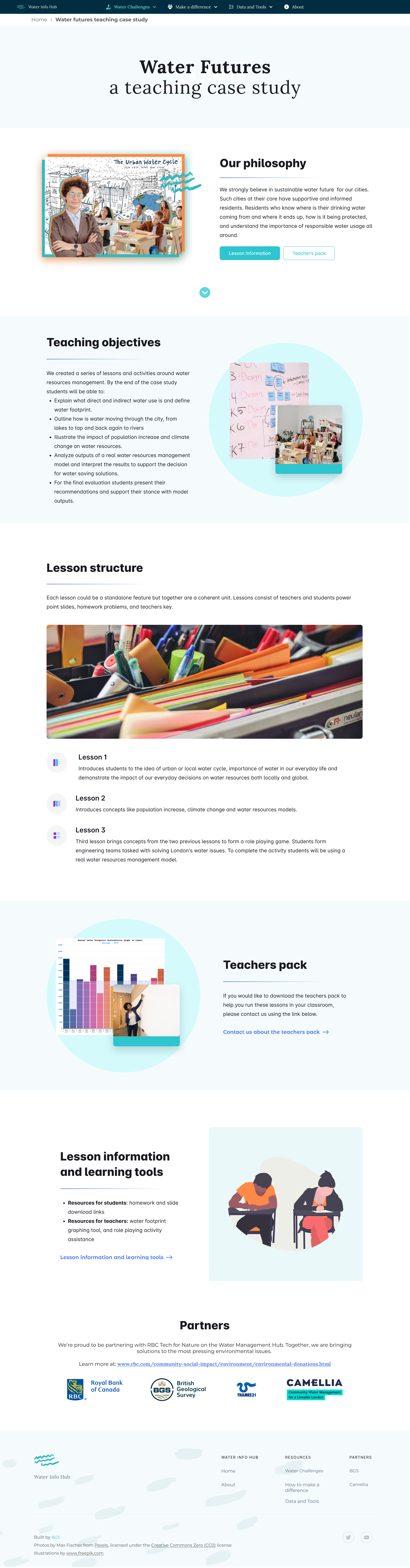
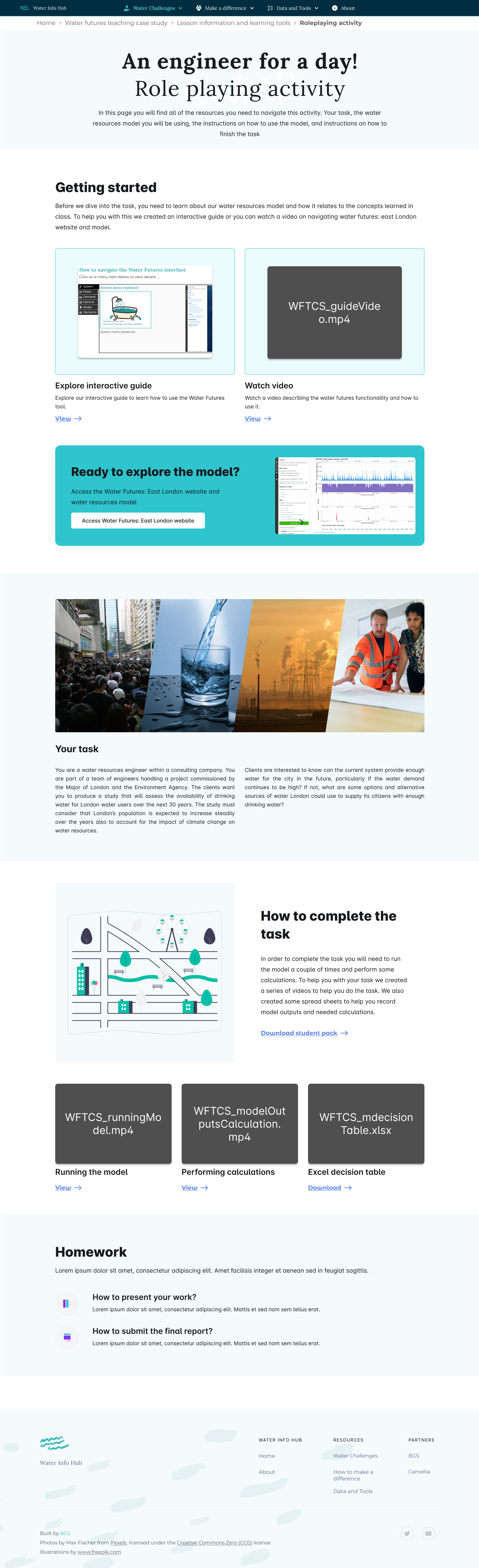
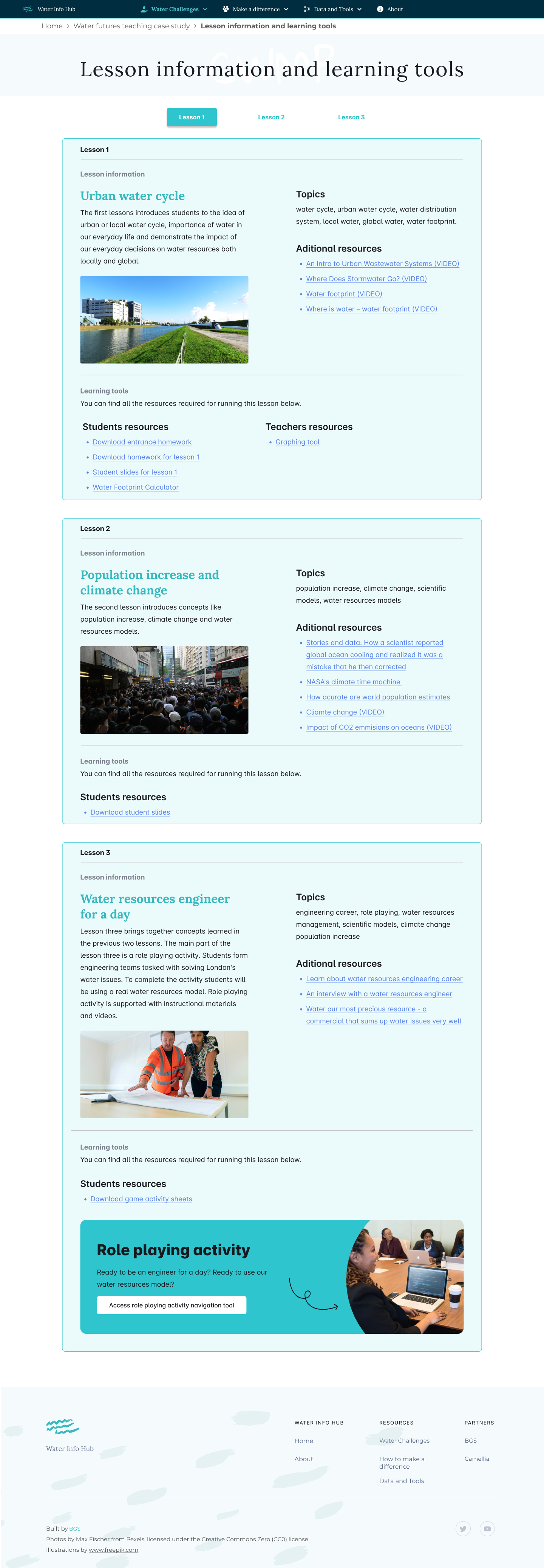
You can view the water info hub website here: https://waterinfohub.org/

Created a visual workflow representation that clearly communicates the complex Spatial Data Delivery Service (SDDS) process.
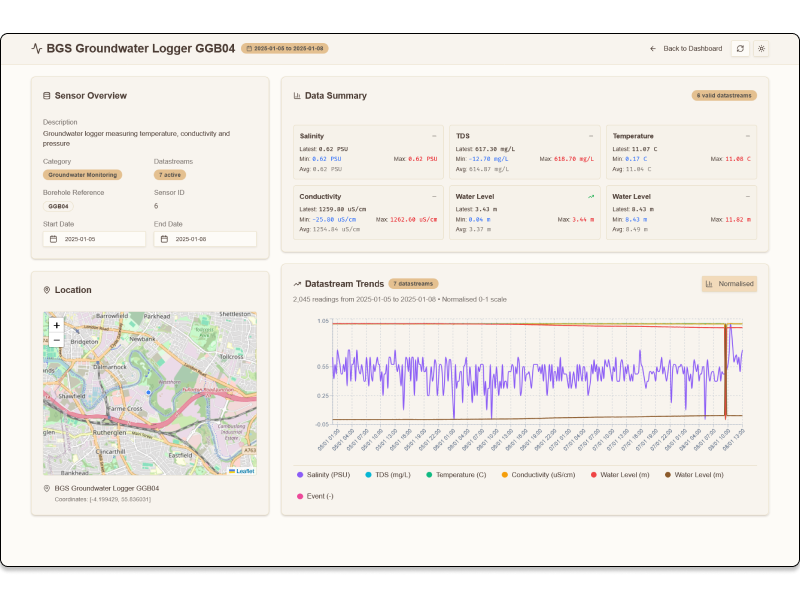
This case study demonstrates how user-centered design, rapid prototyping, and modern development tools can transform complex environmental data into accessible, actionable insights for diverse user groups.
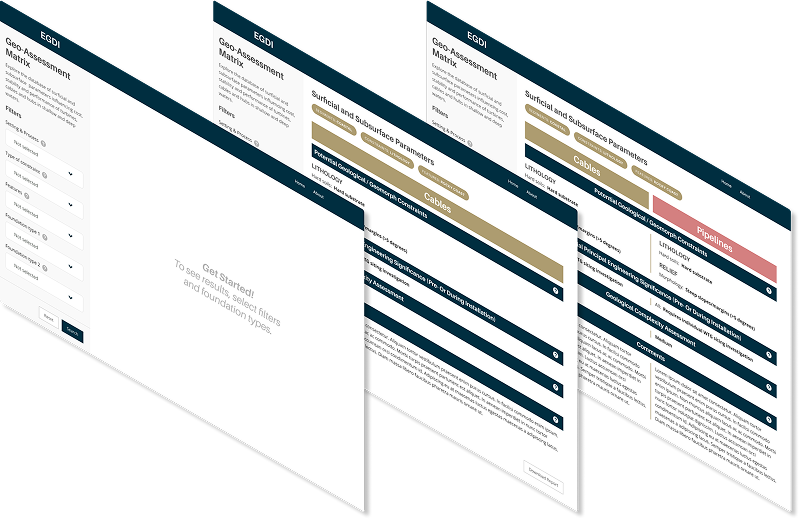
The offshore wind industry needed a simplified, accessible tool to compare geological features for foundation siting decisions. Existing geological assessment data was locked in complex Excel spreadsheets, making it difficult for wind farm developers to quickly evaluate and compare site conditions across different geological environments.
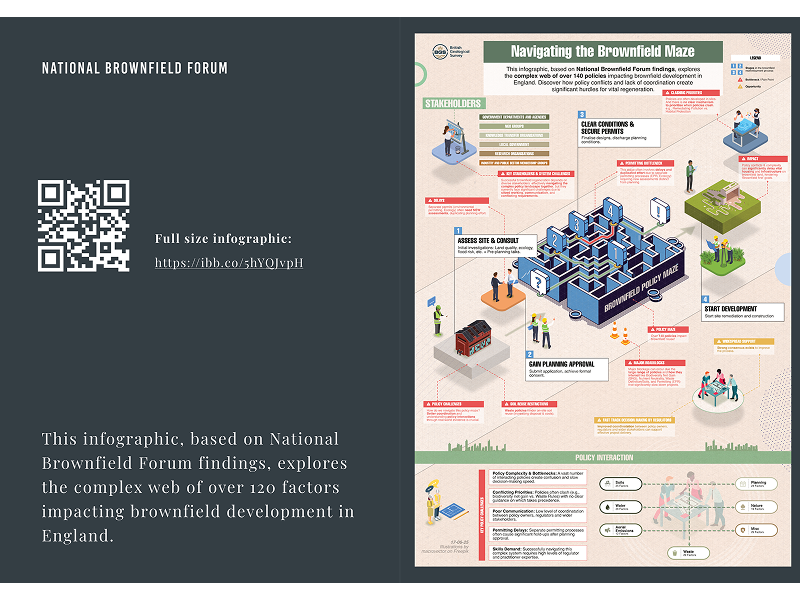
Transforming dense policy research into engaging, actionable insights for government stakeholders and industry professionals