MAPS Tool: Streamlining Nutrition Data Access and Collaboration in Africa
MAPS Tool: Streamlining Nutrition Data Access and Collaboration in Africa
 PROJECT LINKPROJECT LINK
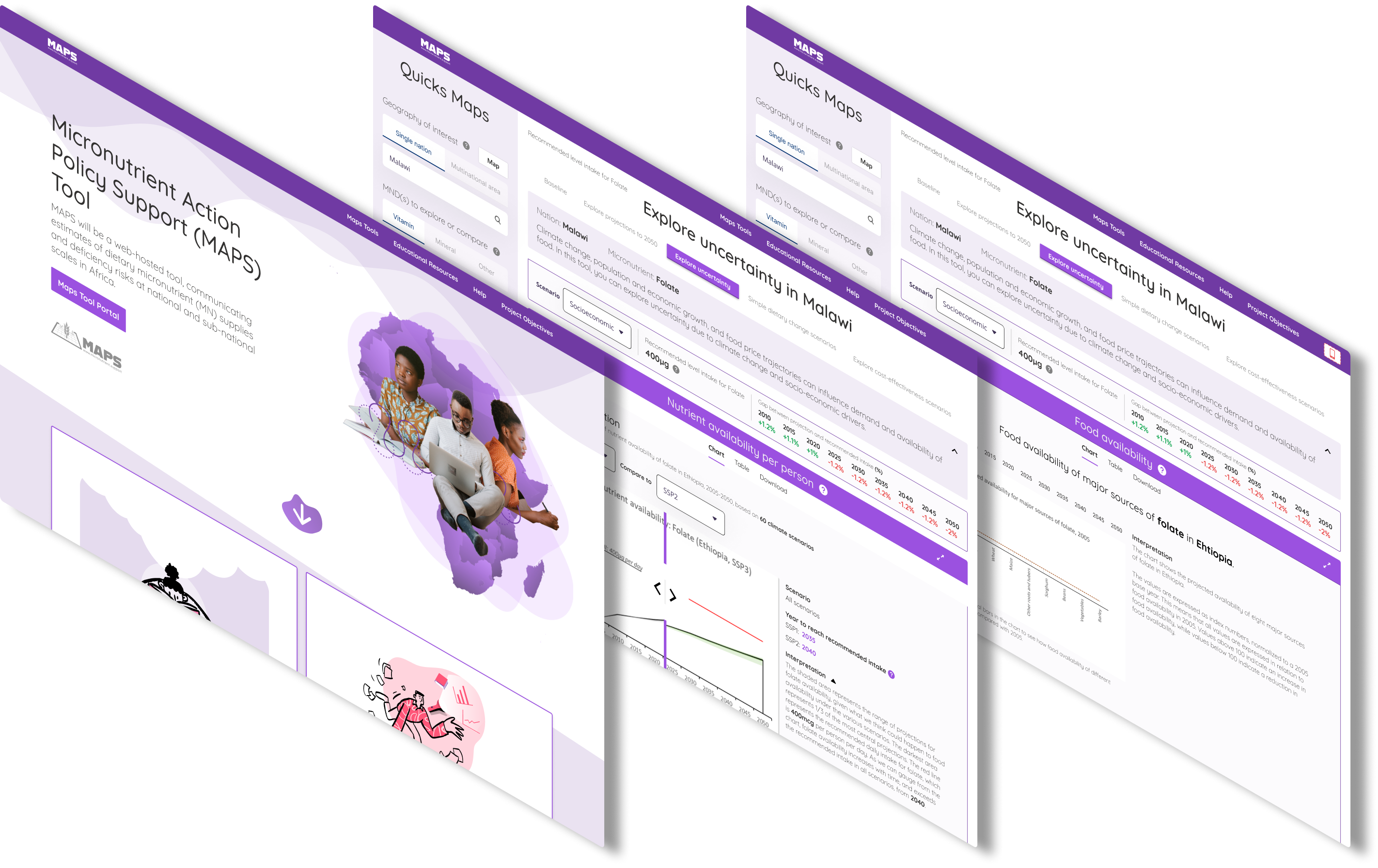
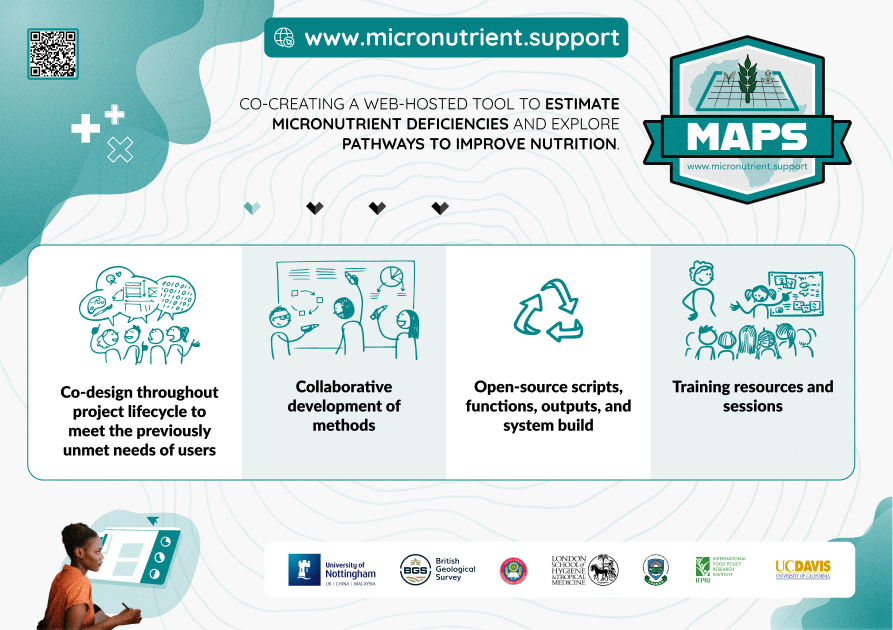
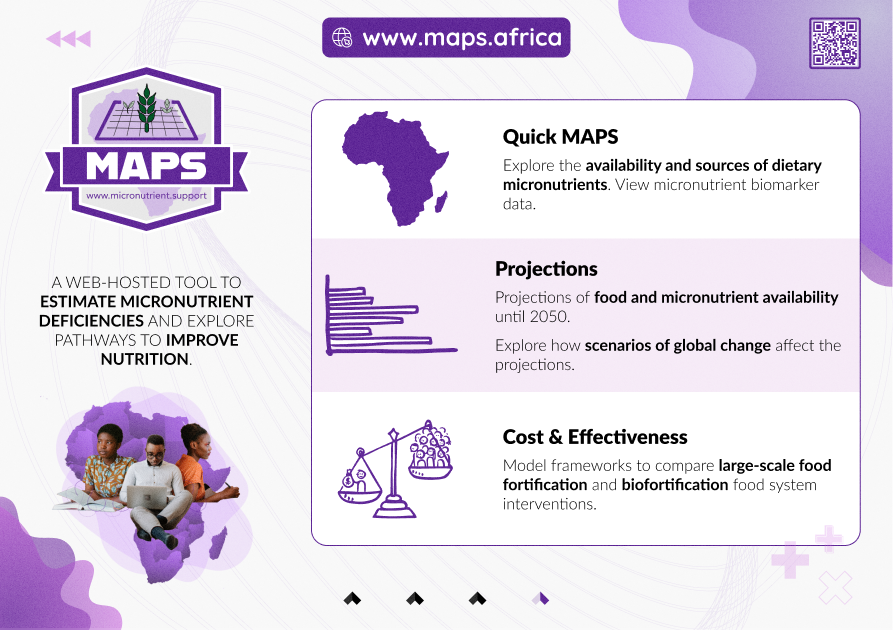
As the Lead UI/UX Designer for the Micronutrient Action Policy Support (MAPS) Tool, I undertook a vital role in simplifying access to nutrition data in Africa. By understanding the challenges faced by researchers, data scientists, and developers in accessing and utilizing nutrition data effectively, I was able to design an intuitive and user-friendly interface that facilitated their work.
To ensure seamless collaboration between these stakeholders, I adopted an inclusive approach to product design. I created detailed prototypes early on in the process and actively involved researchers, data scientists, and developers in the design discussions. This collaborative effort fostered a shared understanding of the tool's requirements and resulted in a more cohesive and effective solution.
Working closely with project partners around the world, I leveraged their research outputs and expertise to inform the design decisions. By incorporating their insights, we ensured that the MAPS Tool made the best use of available data and delivered meaningful outcomes. This collaborative process facilitated a more comprehensive understanding of the domain and increased the overall value of the tool for users.
In addition to design and prototyping, I conducted extensive user testing to validate the usability and effectiveness of the MAPS Tool. By engaging with users and collecting their feedback, I refined the design iteratively, ensuring that it met their needs and expectations. To streamline the development process, I also wrote detailed product requirements, providing clear guidance to developers and maximizing their productivity.
One notable milestone in this project was the presentation and testing of the prototype at the prestigious Future Food Conference. This platform allowed me to showcase the innovative features and user-centric design of the MAPS Tool to a wider audience, including policymakers, nutrition experts, and other stakeholders. The feedback received at the conference further validated the effectiveness and potential impact of the tool, cementing its importance in addressing the complex challenges of nutrition data access and policy support in Africa.
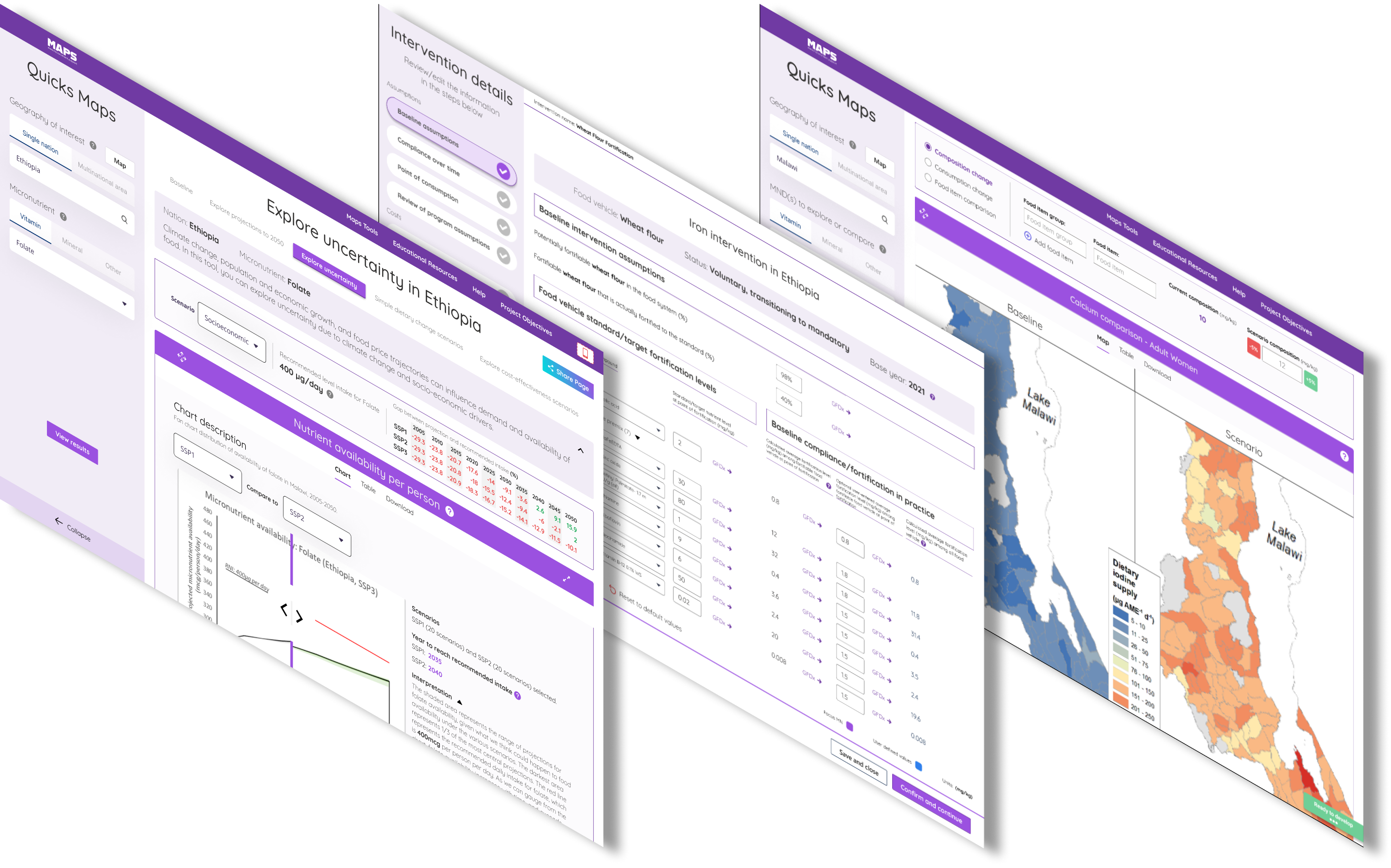
Through my role as the Lead UI/UX Designer for the MAPS Tool, I was able to contribute to improving access to nutrition data in Africa, foster collaboration among researchers, data scientists, and developers, and create a user-centric solution that aligns with the needs of stakeholders.
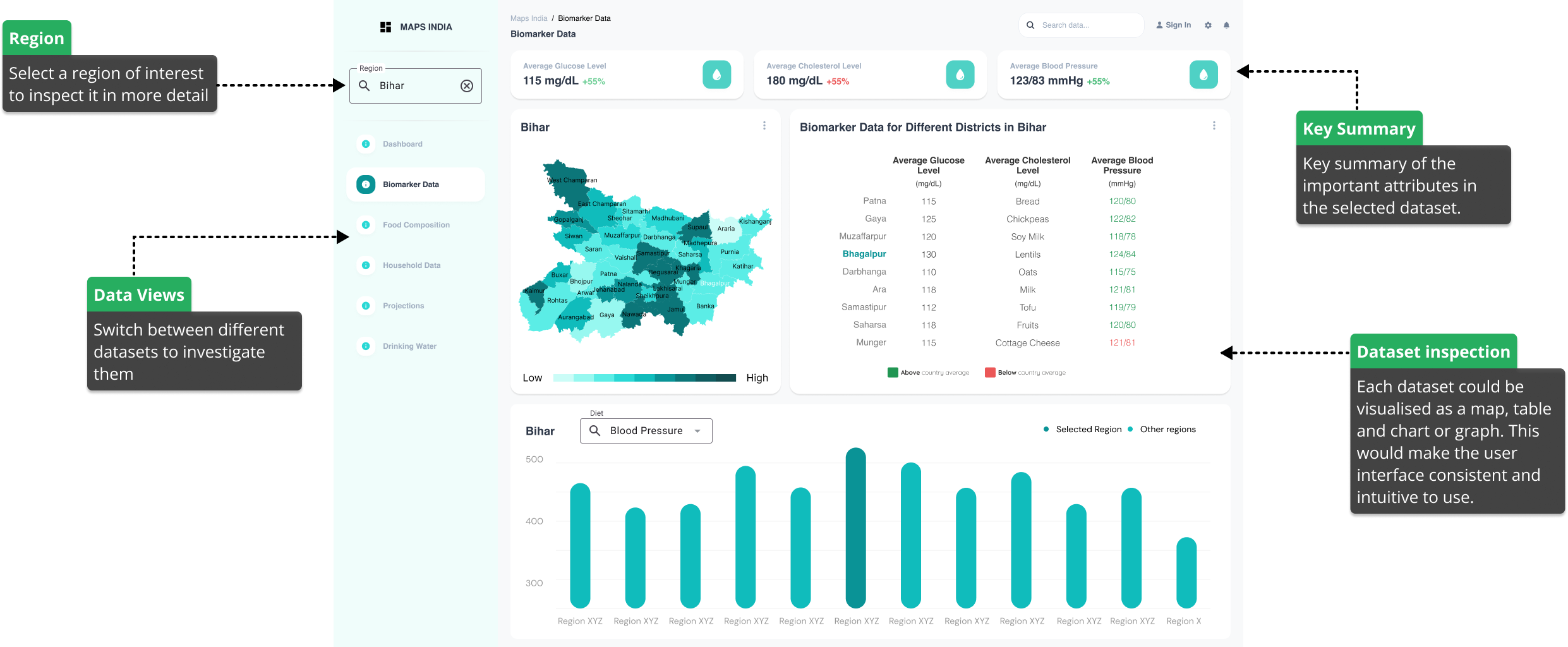
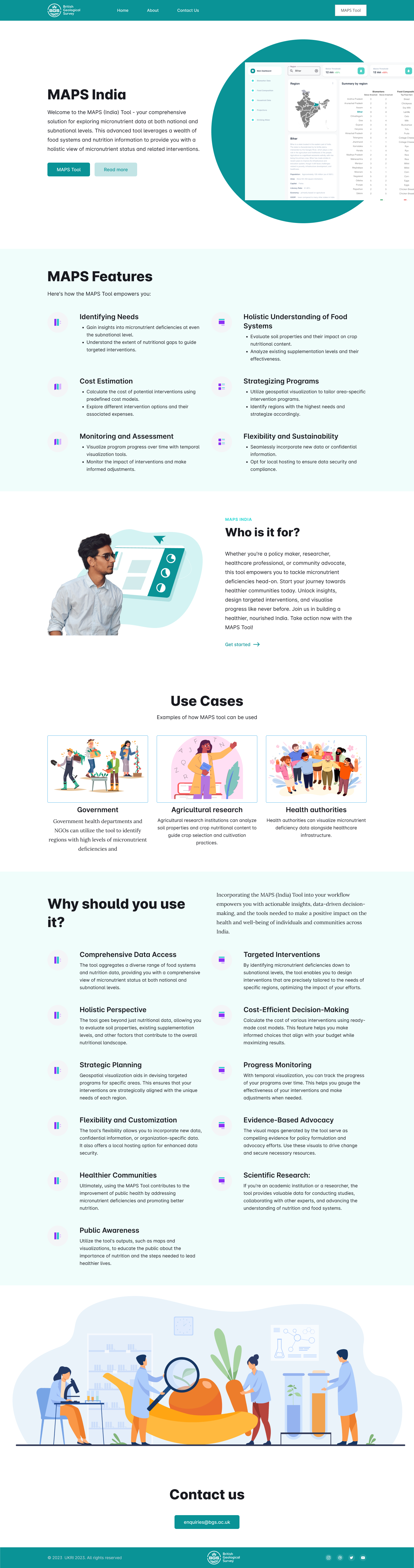
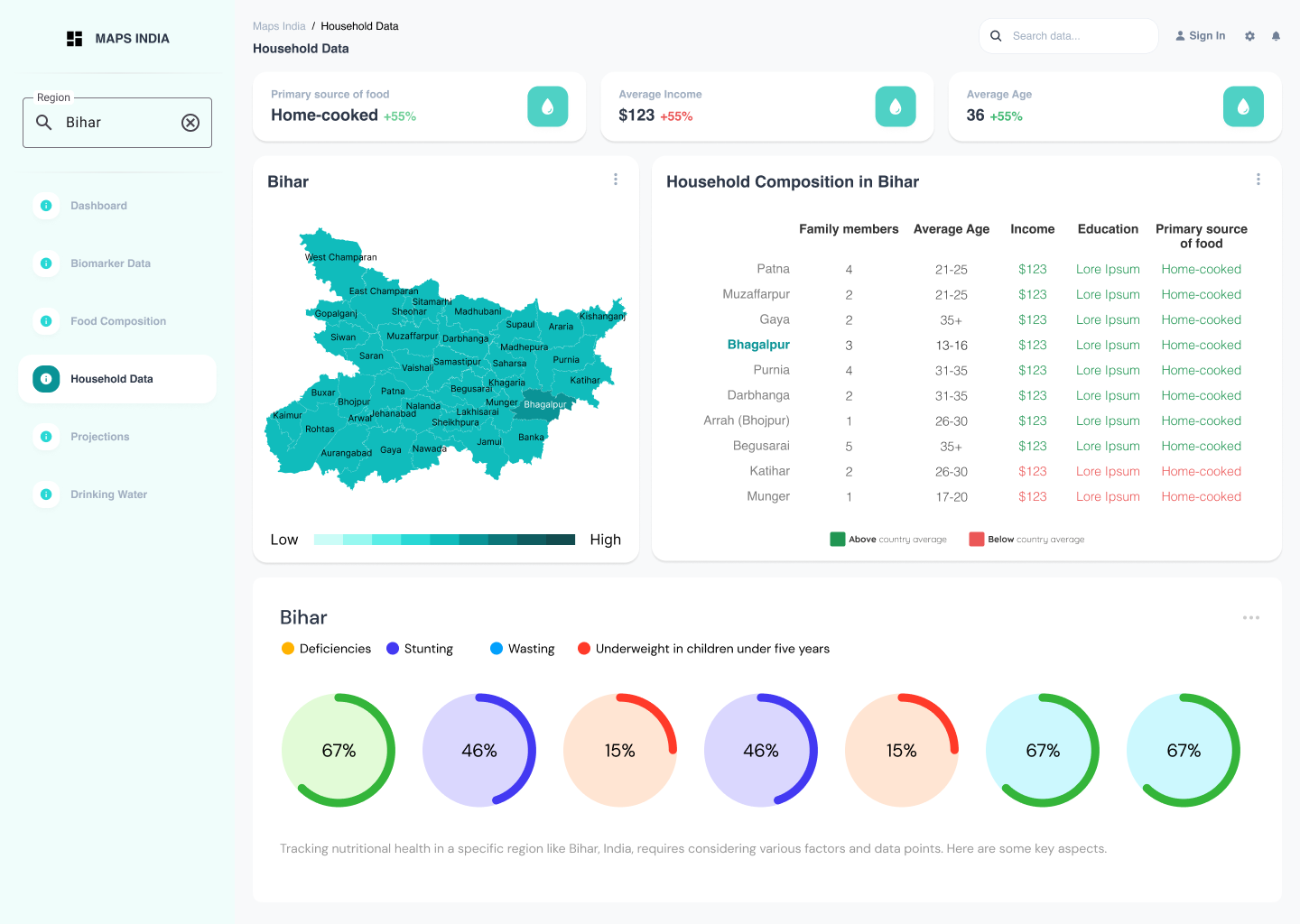
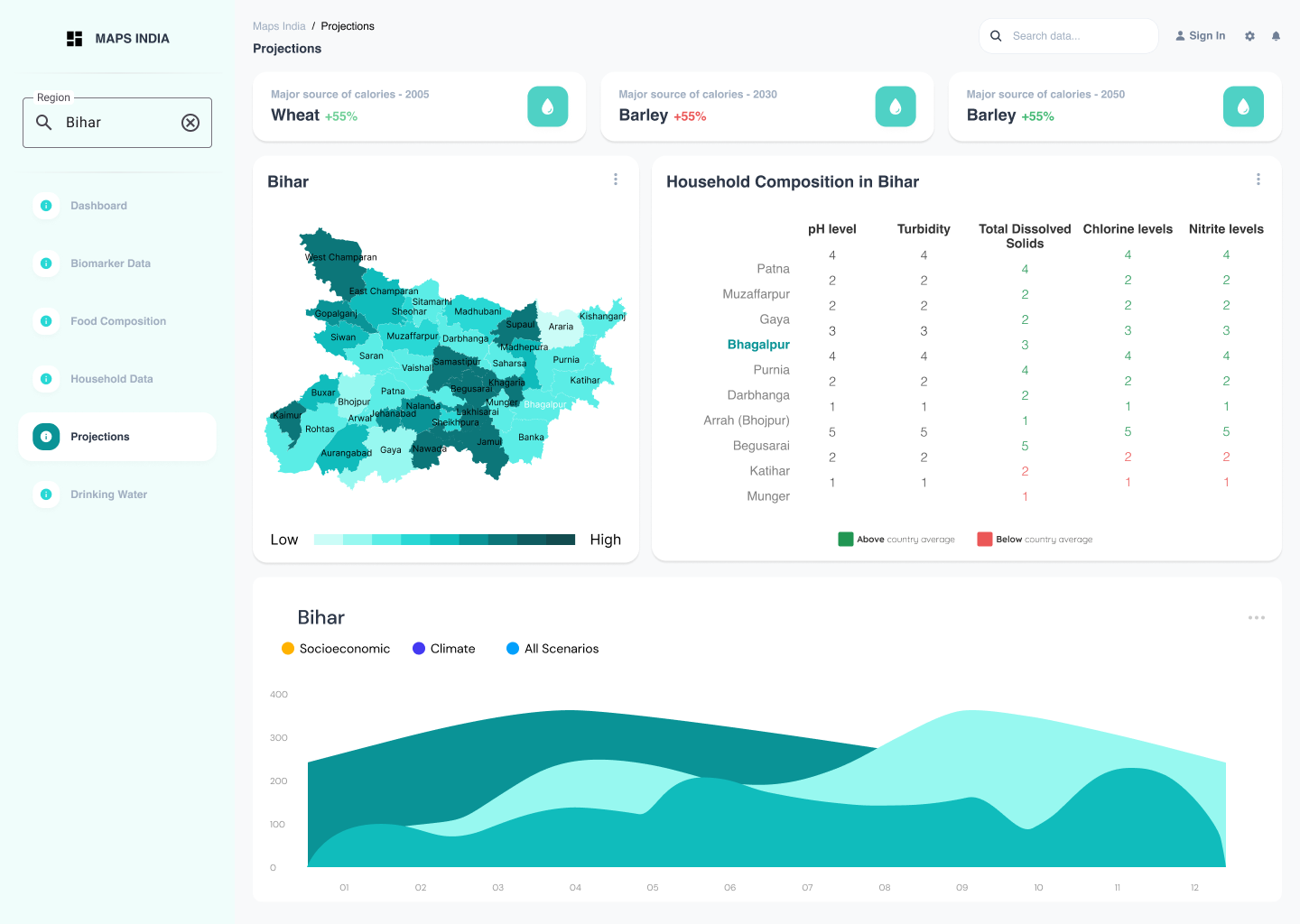
I played a key role in developing the MAPS Africa project proposal. To secure support from stakeholders and ensure the team's shared project vision, I crafted mockups for the project's website and prototyped a dashboard centered on Bihar, India. The primary goal of this proposal was to motivate the team to apply our tools, methods, and insights from MAPS Africa in different areas and expand the reach of nutrition information to a broader audience.

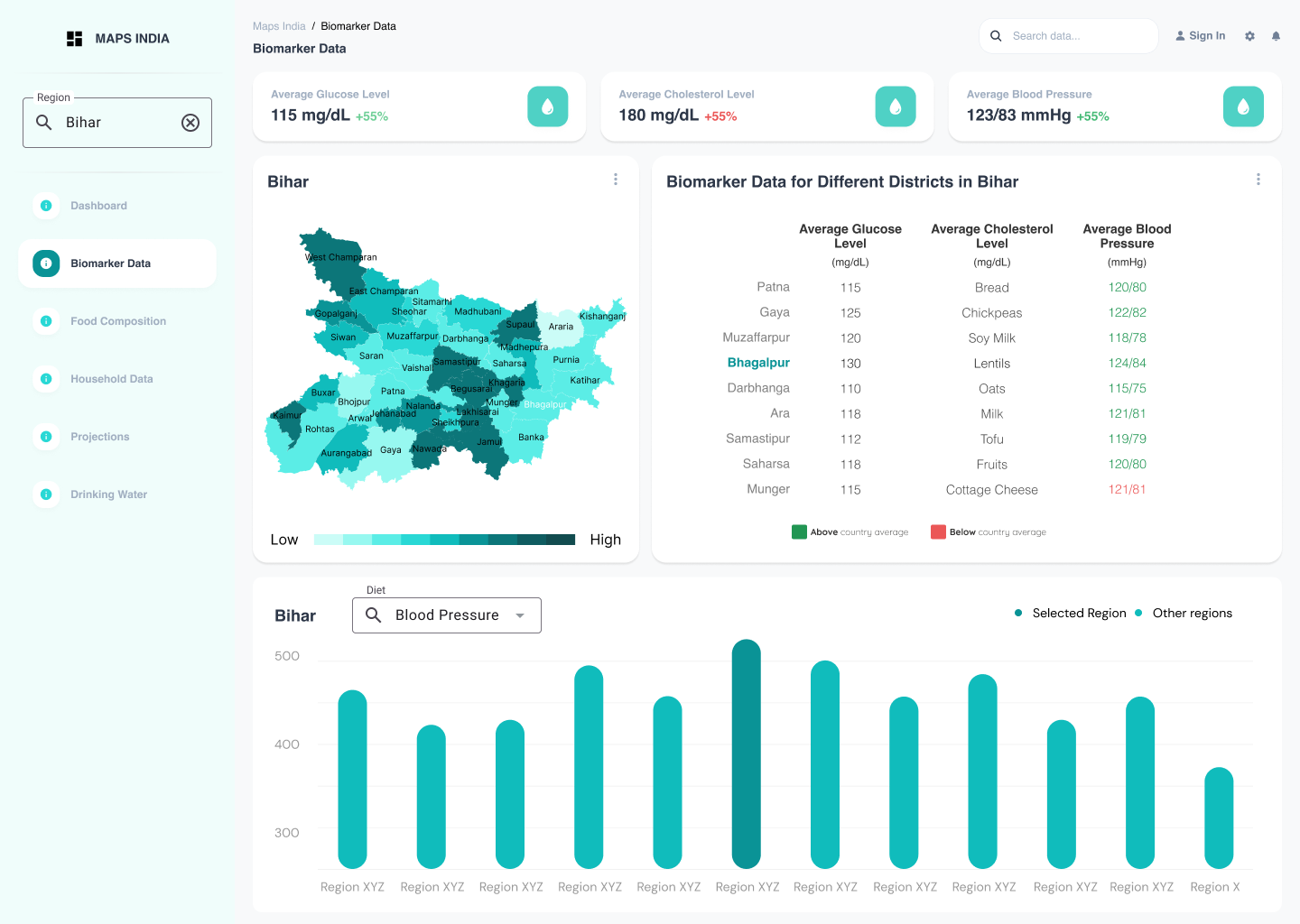
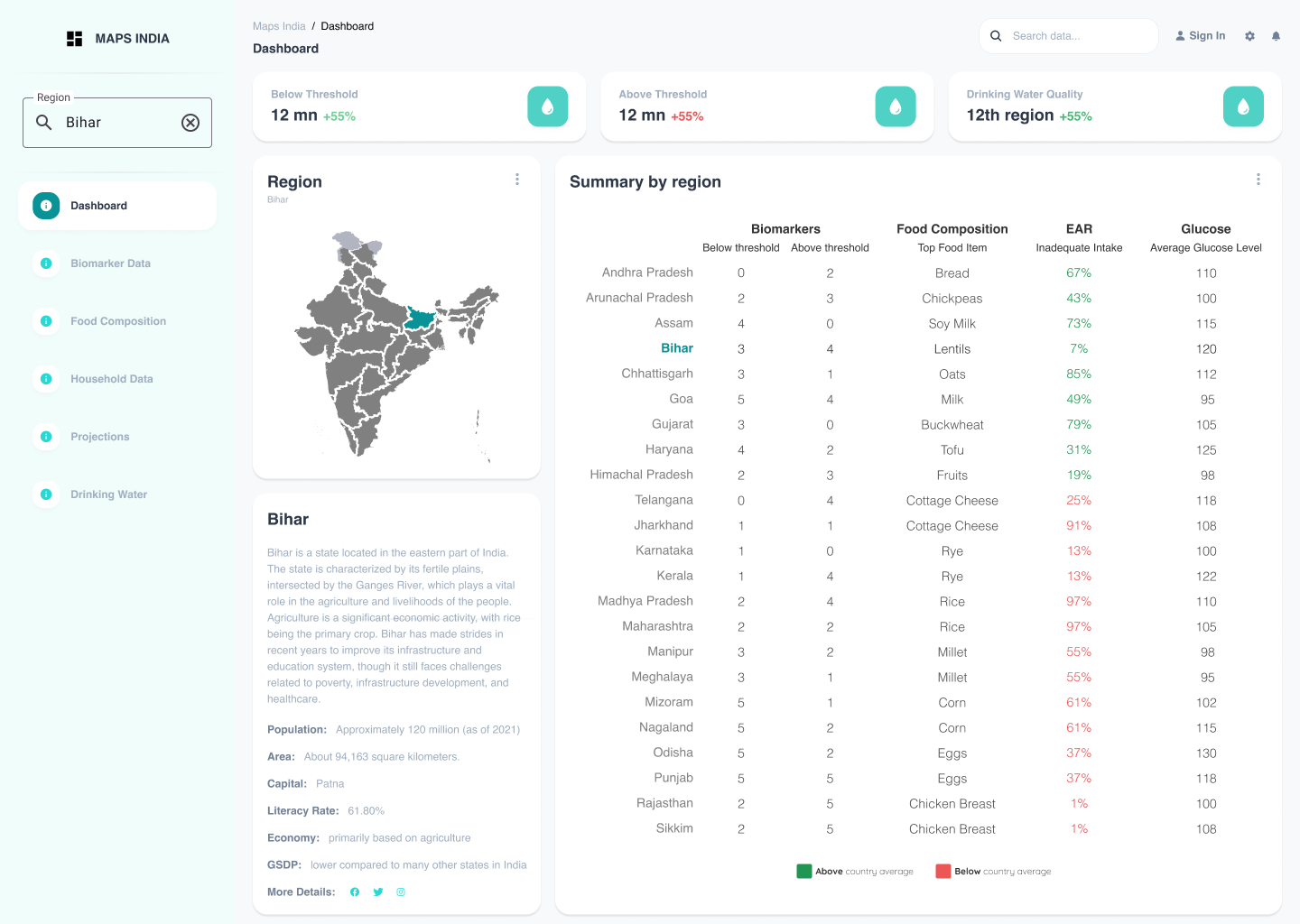
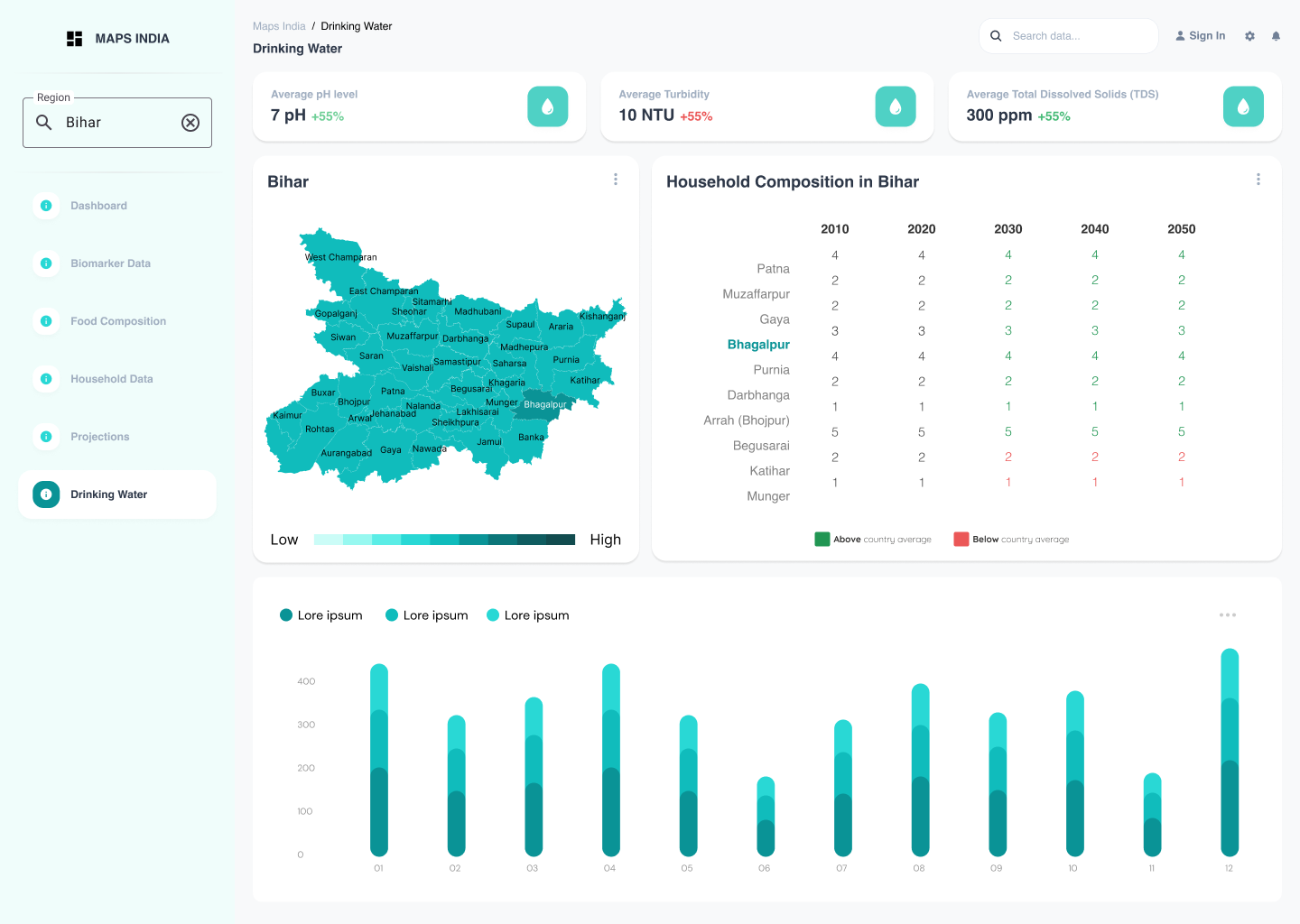
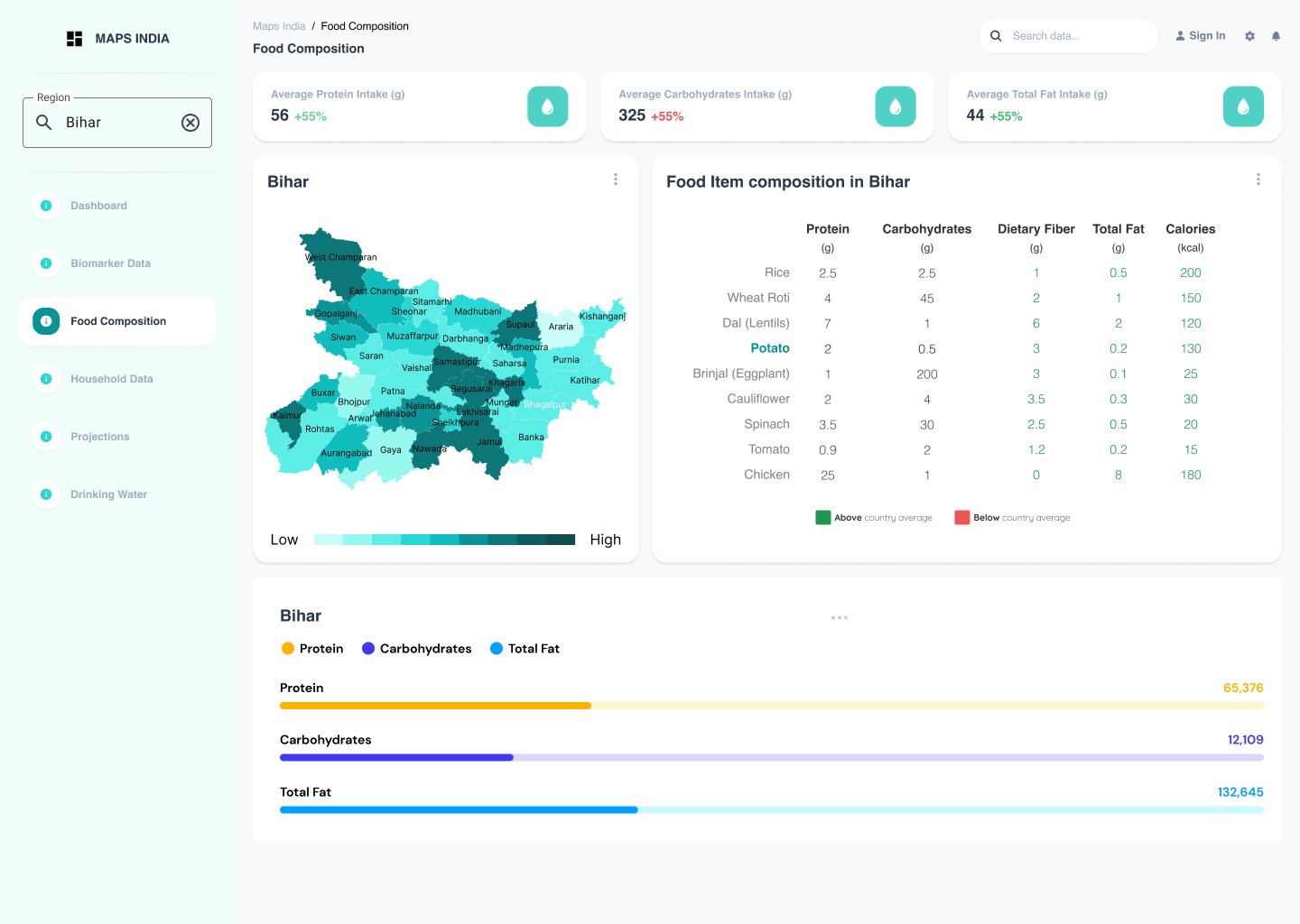

Created a visual workflow representation that clearly communicates the complex Spatial Data Delivery Service (SDDS) process.
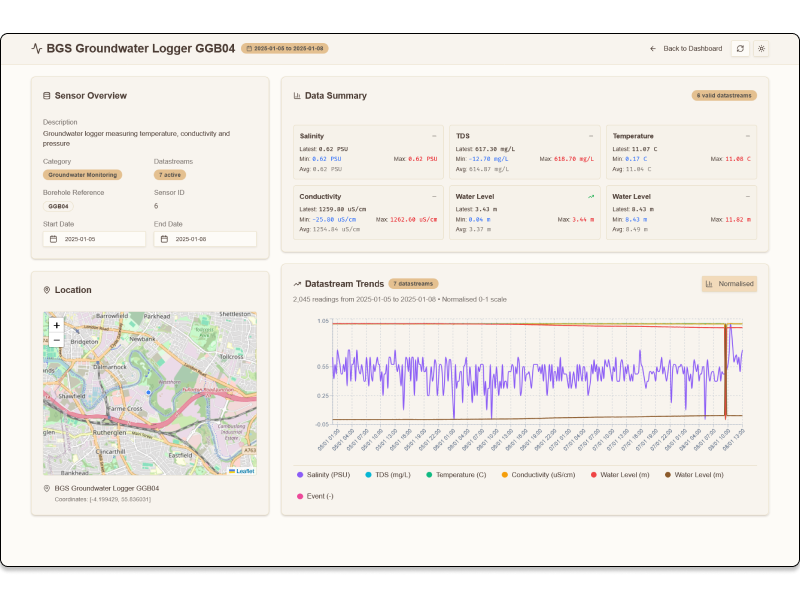
This case study demonstrates how user-centered design, rapid prototyping, and modern development tools can transform complex environmental data into accessible, actionable insights for diverse user groups.
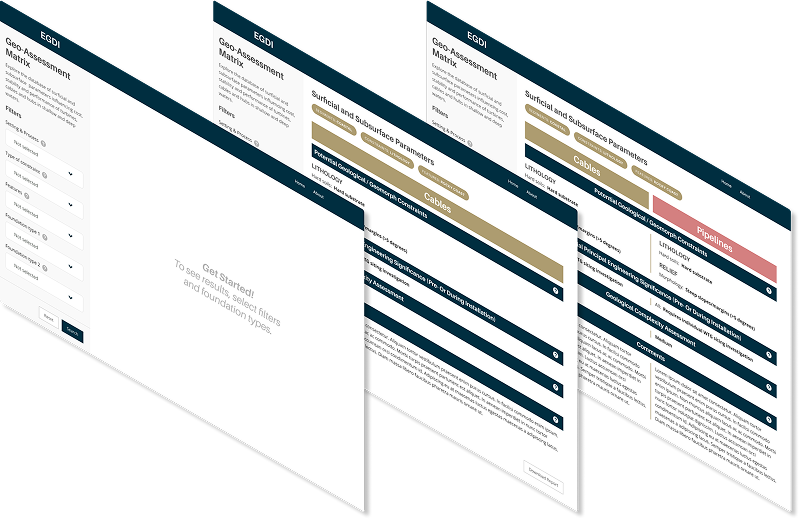
The offshore wind industry needed a simplified, accessible tool to compare geological features for foundation siting decisions. Existing geological assessment data was locked in complex Excel spreadsheets, making it difficult for wind farm developers to quickly evaluate and compare site conditions across different geological environments.
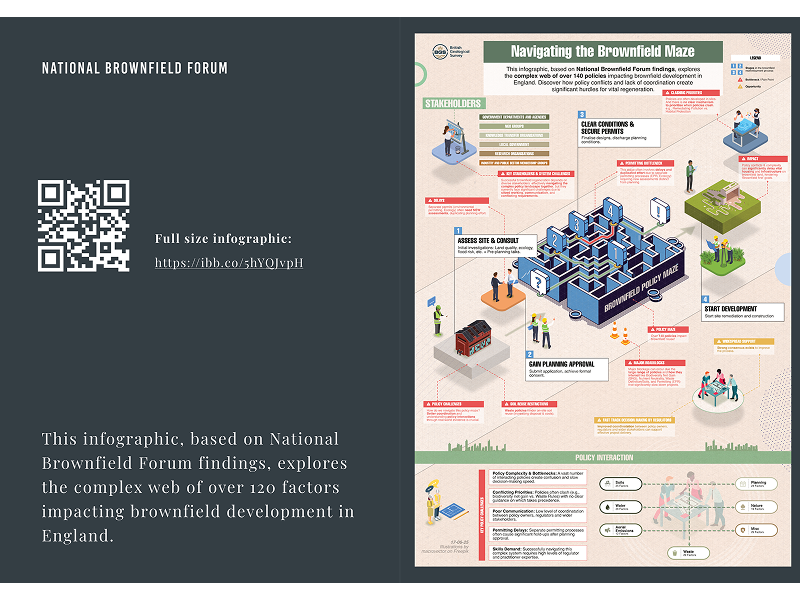
Transforming dense policy research into engaging, actionable insights for government stakeholders and industry professionals