I created a guidance document which aims to improve the design and development of decision support tools (DSTs) at our organisation. Drawing insights from the analysis of existing DSTs, I provide best practices to address common challenges in user research, development, engagement, and the integration of scientific knowledge. My goal is to empower the creation of DSTs that effectively support decision-making and maximise their impact.
Decision support tools are most effective when they truly meet the needs of users. This project focuses on building better DSTs by understanding the challenges faced by both developers and users of these tools. I've distilled experiences from past projects into practical guidance, making it easier to create DSTs that are intuitive, relevant, and have a lasting positive impact on decision-making processes.
I employed a mixed-methods approach to create this guidance. A comprehensive questionnaire provided qualitative insights from product owners of decision support tools. Additionally, we conducted direct observations of user interactions with a selection of tools. This combined approach offered a nuanced understanding of both developer experiences and the perspectives of end-users, helping us create well-rounded recommendations.
The Importance of Collaboration: Effective DSTs rarely emerge from siloed work. Strong collaboration between developers, designers, scientists, and end-users is essential throughout the entire project lifecycle. Clear communication, well-defined roles, and mutual respect promote innovative solutions that genuinely meet user needs.
Iterative Development is Key: Building flexibility into the development process is crucial. User feedback, new scientific insights, and changing requirements may necessitate adjustments. Adopting an agile, iterative approach that includes prototype testing and user feedback loops minimizes the risk of building something that quickly becomes outdated or irrelevant.
Balancing Scientific Rigor with Usability: The most impactful decision support tools strike a balance between scientific accuracy and usability. Consider ways to communicate complex information clearly and simply, using visualisations, examples, and plain language explanations. Working with UX specialists can prove invaluable in this realm.
The Power of User-Centered Design: Many successful projects emphasized the importance of early and continuous user engagement. Understanding the target audience's needs, workflows, and technical capabilities is essential. Investing time in user research upfront prevents creating tools that don't align with real-world use cases or that are too complex to be adopted.
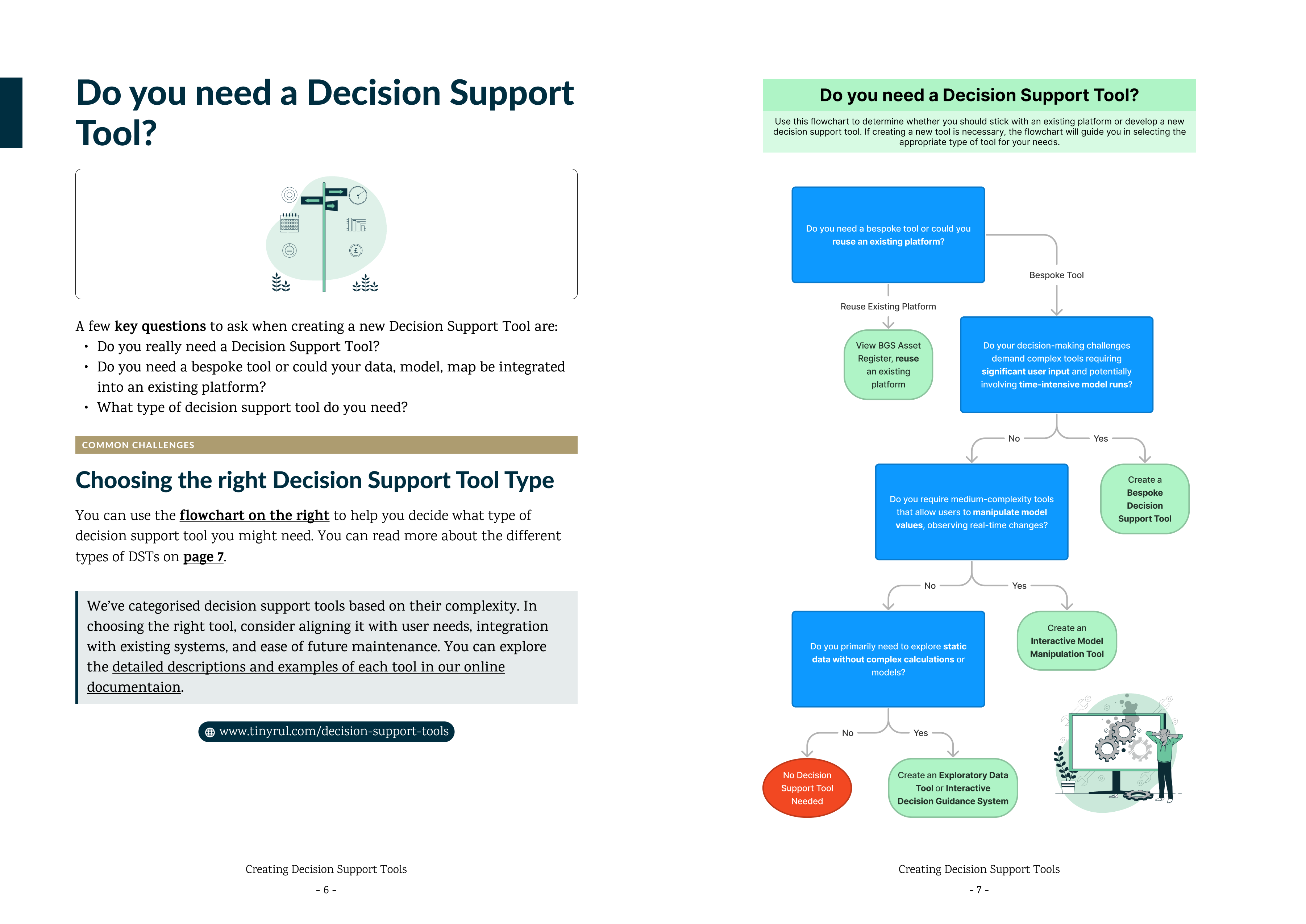
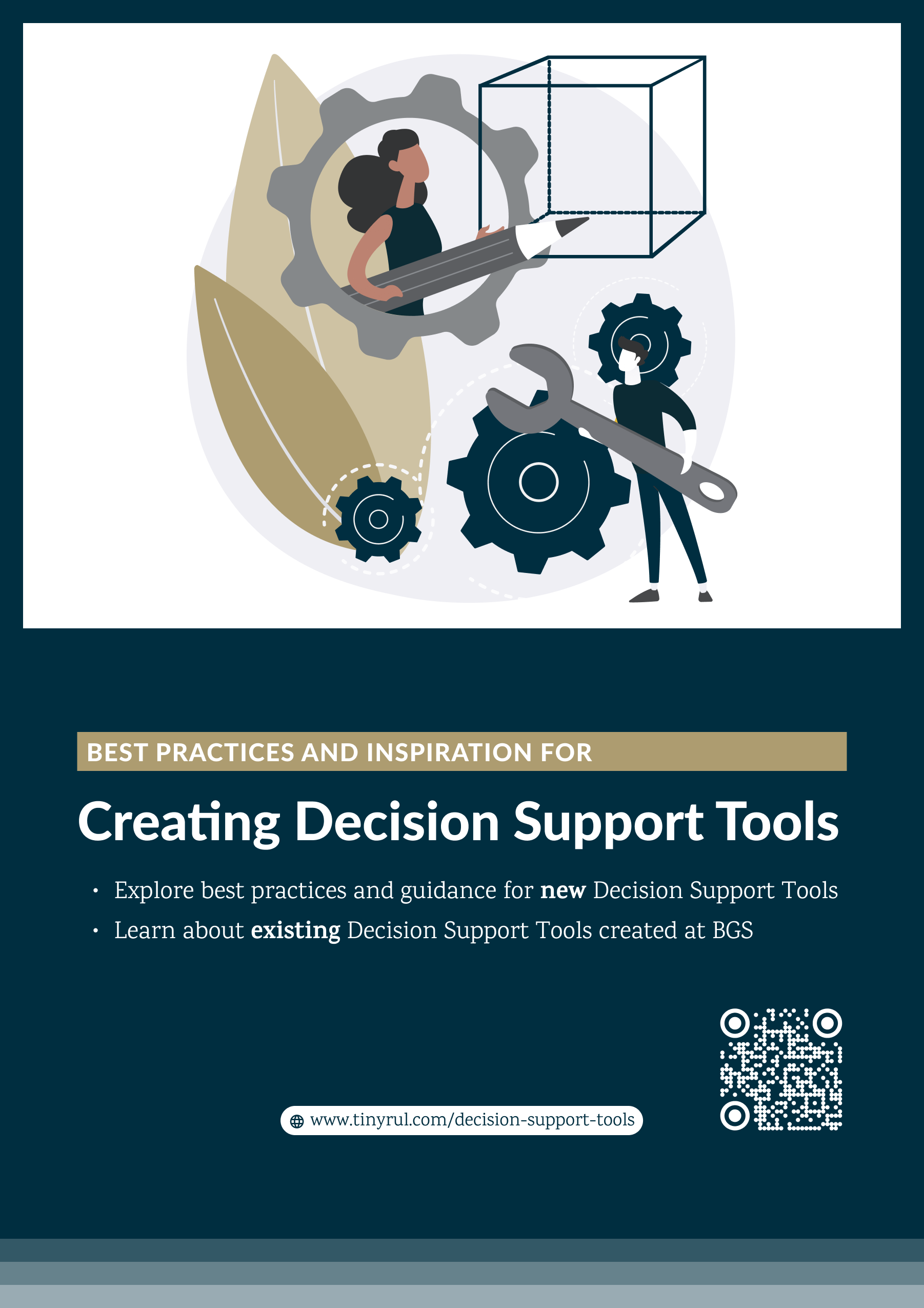
This guidance is available as online documentation on our internal network. For a quick overview, I created a printable brochure summarising key findings and providing links for further exploration.

Created a visual workflow representation that clearly communicates the complex Spatial Data Delivery Service (SDDS) process.
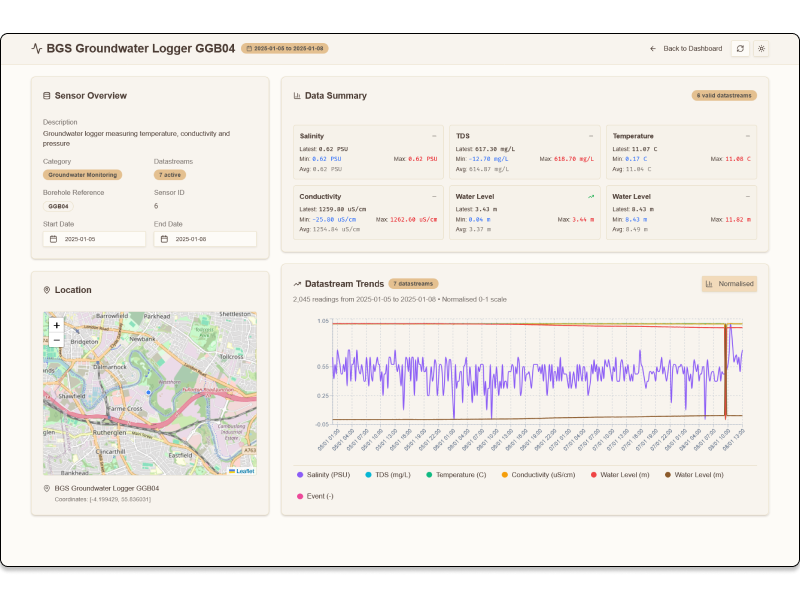
This case study demonstrates how user-centered design, rapid prototyping, and modern development tools can transform complex environmental data into accessible, actionable insights for diverse user groups.
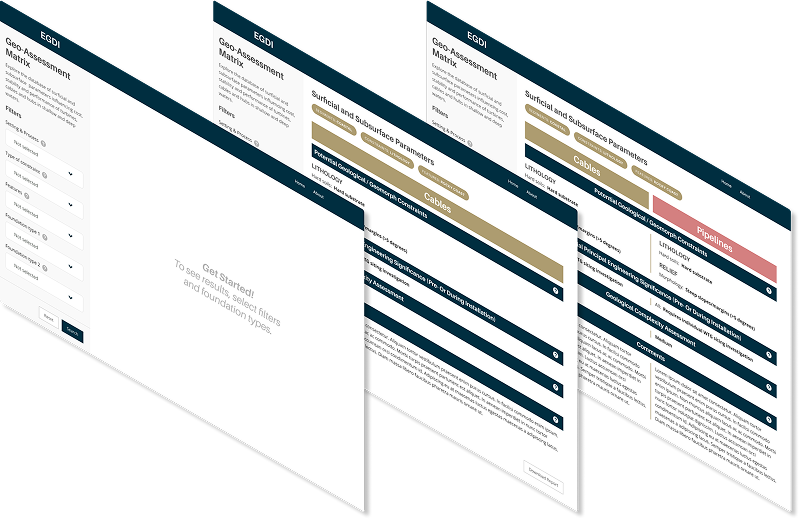
The offshore wind industry needed a simplified, accessible tool to compare geological features for foundation siting decisions. Existing geological assessment data was locked in complex Excel spreadsheets, making it difficult for wind farm developers to quickly evaluate and compare site conditions across different geological environments.
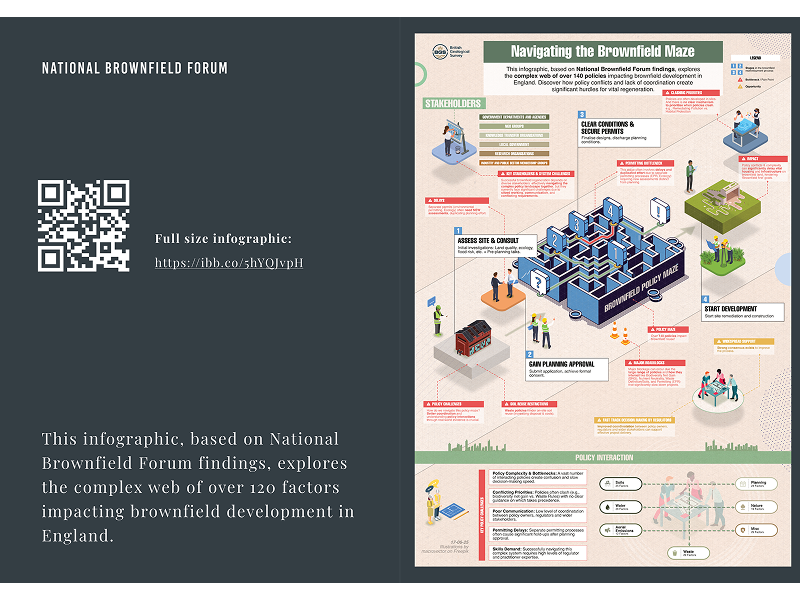
Transforming dense policy research into engaging, actionable insights for government stakeholders and industry professionals